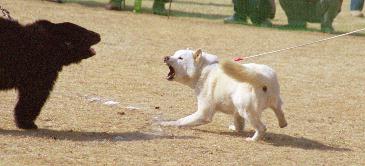
The Hokkaido Ken is one of the six Nihon Ken (Japanese dogs), originating from Japan. A medium spitz-type breed that originated from the northern island of Hokkaido, they were often referred to as Ainu Ken after the original indigenous Ainu people of Japan. It is thought that the Hokkaido carry genes from older type dogs that arrived in Japan due to their geological isolation. The Hokkaido is thought to date back around 8,000years, where their history first began between 300AD to 710AD. The Ainu people used them to hunt bear and deer, and as a guardian of the home, for which the breed is still used today. The breed became recognised as a ‘National Living Monument’ by the Japanese Government in 1937.
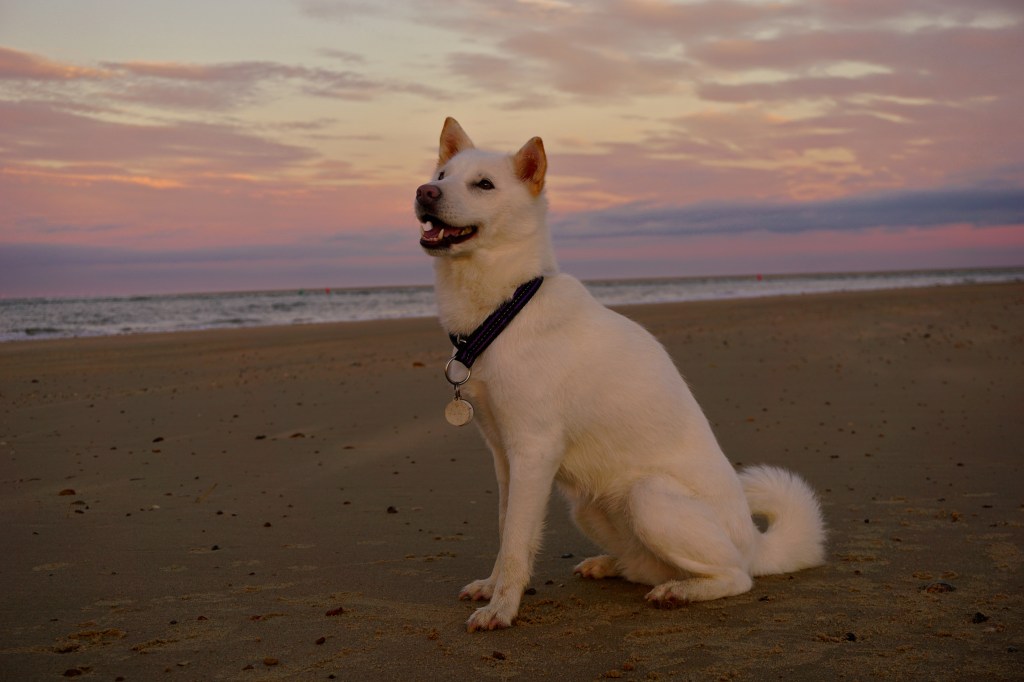
A British biologist came to visit the island in 1869 to study the population of native species and there genetics. Thomas Blakiston first referred to the Hokkaido as Ainu Ken. Ainu means ‘people’, and Ken means ‘dog’. The Hokkaido may be referred to as Hokkaido Inu, Hokkaido Ken, and sometimes rarely, Ainu Ken. Most native speakers refer to the breed as Hokkaido Ken.
Originally the breed is made up of several bloodlines names after Ainu villages where they originated. The Chitose, Biratori, Atsuma, and Yuwamizawa were the most famous. Today, only the Chitose line remains, along with a mix of the other lines.

The climate of Hokkaido Island has very hot, short summers and long cold winters. The Hokkaido Ken adapted well to his weather by having a waterproof coat far denser in feel and appearance than the other 5 Nihon Ken, along with much smaller ears. This resulted in a sturdy dog capable of hunting through the harsh and rugged Hokkaido landscape. They developed strong jaws, small paws, and strong chests and are capable of great stamina and endurance, along with having immense bravery to hunt down large game.
The Hokkaido Ken is very rare even in its own native country of Japan, with less than 200 born per year, and numbers declining every single consecutive year. This is due to apartment living being favourable in Japan, along with smaller breeds tend to be preferred (The Shiba Inu is still very popular within its native country). Most breeders of Hokkaido in Japan are elderly, and there are less of the younger generation wishing to carry on the legacy of the breed. Here is a graph made by Shigeru Kato showing the decline in the Medium Nihon Ken (Hokkaido, Kai, Kishu, Shikoku) over the last few years (2020).
Around the 1930’s the Hokkaido gained recognition by the Nihon Ken Hozonkai (NIPPO). This allows the six native breeds of Japan (Shiba Inu, Kai Ken, Hokkaido Ken, Shikoku Ken, Kishu Ken and Akita Inu) to be registered with the club. In 1949 there was a crisis where the Hokkaido risked extinction. The Hokkaido Ken Hozonkai (DOKENHO) was born in 1954 to help protect and preserve the breed from extinction.
There was a slight increase in Hokkaido numbers after the mobile phone company, Softbank, used a Hokkaido as their mascot in 2007. The male Hokkaido, named for commercials as Otosan, caused a slight increase in the number of dogs born. Otosan even had his own merchandise which took Japan by storm. Otosan passed away at the age of 16 in 2018.

The breed, however, is still in a state of crisis with numbers falling year after year. Hokkaido Breeders and clubs around the world continue to work hard to ensure the breed does not become extinct. The UK Kennel Club does not currently recognise the Hokkaido Ken as a breed due to the very low numbers in the UK. The Fédération Cynologique International (FCI, Europe) recognise Hokkaido as a definitive breed. The first breed club association for the Nihon Ken has been launched, The Association Of Nihon Ken [UK], in a bid to eventually get the breed on the UK Kennel Club import register.
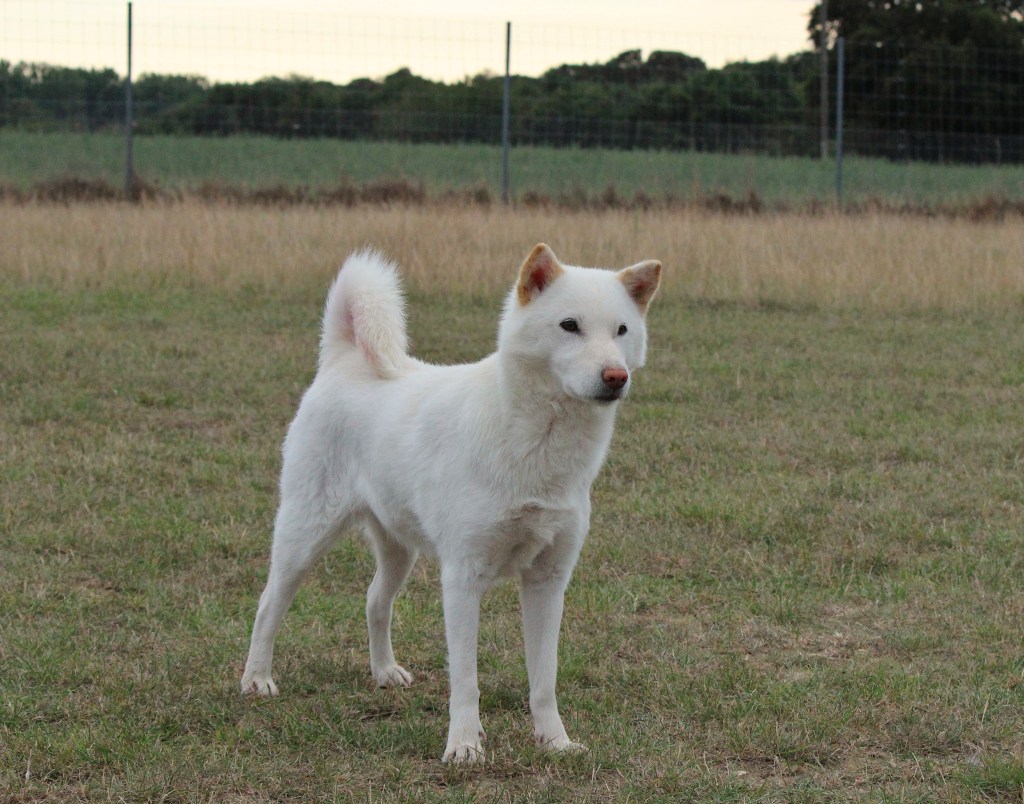
 Ichiyo Kensha Hokkaido Ken